.svg)




 English
 العربية

The Emotional Rollercoaster of Off-Plan Buying
- January 08, 2026
- /
- Buyer and Seller Guides

Buying off-plan looks very clean on a brochure:
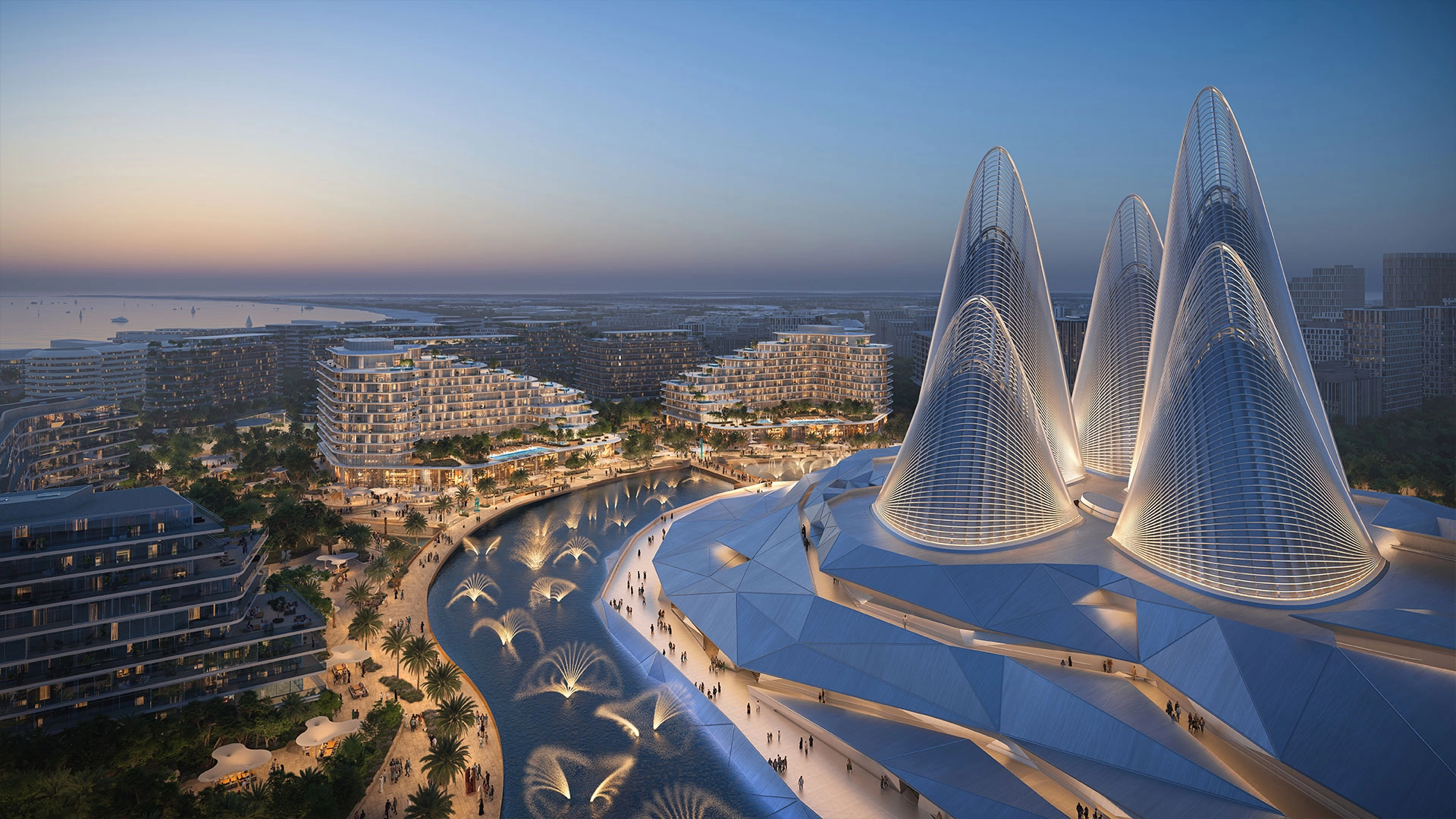
Beautiful renders
Clear payment plan
Handover date on the timeline
On paper, it is simple: you reserve, you pay in stages, you get the keys.
In real life, it rarely feels that simple.
Most buyers go through an emotional curve that looks more like a rollercoaster: excitement, doubt, boredom, stress, relief. If you have ever reserved a unit and then spent months refreshing emails and checking site photos, you know what this feels like.
In this article, we will walk through the main phases of that emotional journey – and how to manage them in a healthier way.
Why off-plan feels different from buying ready
With a ready home, you walk in, touch the walls, see the view, feel the light. Your brain can connect the numbers with a real space.
With off-plan, you buy a promise:
3D images instead of real corridors
A future view instead of an actual balcony
A handover date that depends on many moving parts
Your imagination has to do a lot of the work. That alone makes the experience more intense.
Phase 1: Launch-day euphoria and FOMO
The story usually starts with a launch.
There is a special atmosphere around new projects:
Fresh branding, beautiful visuals, glossy videos
Sales events, “first release” pricing, limited stacks
Friends or colleagues posting “just booked my unit”
Emotionally, this phase is a mix of:
Excitement: “I’m getting in early.”
Fear of missing out: “If I wait, everything I like will be gone.”
Validation: “If others are buying here, it must be a smart move.”
It can feel a bit like a concert ticket drop or a sneaker release, just with much bigger numbers.
This is the most “up” point on the curve. It is also where people sometimes rush without a calm second look at:
Total cost over time
Exit strategy
Realistic handover expectations
Phase 2: The quiet middle – doubt and second-guessing
After the reservation, the mood changes.
The contracts are signed, you start paying instalments… and then not much visible happens for a while.
You might see:
Some construction photos
Occasional project updates
Market news about other launches, price movements, or macro changes
Emotionally, this phase often brings:
Doubt: “Did I buy at the right time? In the right project?”
Comparison: “That new project looks nice… did I choose the wrong one?”
Distance: “My money is going out, but there is still no real apartment yet.”
Because off-plan is a long process, this “middle” can last months or years. It is normal to feel less excited and more neutral in this time – but many people read that neutral feeling as a sign they made a mistake.
Phase 3: Handover season – stress and decision fatigue
As handover gets closer, emotions move again.
Now things become very real:
Final payments or bank transfer
Snagging and checking the quality
Furniture, appliances, curtains, landscaping
For investors: listing for rent, meeting agents, setting the price
This phase can feel intense for a few reasons:
Pressure: deadlines, cheques, calls from the bank or developer
Details: defects lists, finishing, small disappointments vs pleasant surprises
Decisions: dozens of small choices in a short time (furnishing, appliances, décor, rent strategy)
Many buyers describe this period as:
“I was excited at launch, bored in the middle, and honestly stressed just before handover.”
That is normal. You are closing a long open loop, and a lot of financial and emotional weight sits in that last stretch.
Phase 4: Moving in – reality vs renders
Finally, you get the keys.
This is another strong emotional moment – sometimes positive, sometimes mixed:
Joy and relief:
“It’s real. I can walk inside. I can touch the balcony railing. I can see the view with my own eyes.”Small shocks:
The lobby feels different from the visuals, the view is slightly changed, the corridor is a bit narrower, or the neighbourhood is noisier / quieter than imagined.Adjustment:
Learning the building, the neighbours, the parking, the actual drive to work, the sound at night.
With time, the project stops being “off-plan” and becomes simply “your building” or “your investment”. The emotional intensity drops. It becomes part of your normal life.
How to ride the rollercoaster without burning out
You cannot remove the emotions from off-plan. But you can manage them better.
Here are a few simple tools:
1. Decide your logic before the emotions start
Before you sign anything, write down:
Why you are buying (home vs investment)
Your time horizon (how long can you realistically hold?)
Your Plan B (What if you need to exit early? What if the market is slower?)
This becomes your reference when excitement or fear starts to take over.
2. Expect your feelings to change
If you know the curve, it is less scary:
Launch = high excitement
Middle = neutral or doubt
Handover = stress and paperwork
After = settling in
When you feel bored or anxious in the middle, you can say:
“This is part of the process, not a sign that the project is bad.”
3. Create healthy information habits
Constantly checking:
Construction photos
Chat groups
Market rumours
can make the middle phase feel like a drama series.
Instead, try:
Monthly or quarterly check-ins, not daily doom-scrolling
Following official updates and 1–2 trusted sources, not every random comment
Keeping a simple log of key milestones, so you can see progress over time
4. Separate finishes from fundamentals
At handover, it is easy to focus only on:
Paint defects
Small scratches
Minor alignment issues
These matter, and they should be fixed. But do not let a few snagging points erase the bigger picture:
Location
Layout
View and light
Rental or living potential
Being clear about what is truly critical vs what is cosmetic will keep your stress lower.
How a good advisor can help
A good real estate advisor is not only there on launch day.
Their job is to:
Calm the hype at the beginning and check that the project fits your plan
Remind you of your initial logic during the quiet middle
Help you prepare for handover: payments, snagging, rental strategy or move-in plan
Be honest about what is strong and what is weak in the project once it is delivered
In other words, they ride the rollercoaster with you – but with a bit more distance and experience.
Closing thought
Buying off-plan is not just a financial decision.
It is also a long emotional journey, with ups and downs that are completely normal.
If you understand the curve, and if you have the right support around you, that rollercoaster becomes less scary – and you can focus on what really matters:
Did this decision bring you closer to the life, or the investment, you actually wanted?
