.svg)





 English
 العربية

Real Estate Investment Opportunities in Cairo Beyond Rental Income
- November 11, 2026
- /
- Locations and Communities
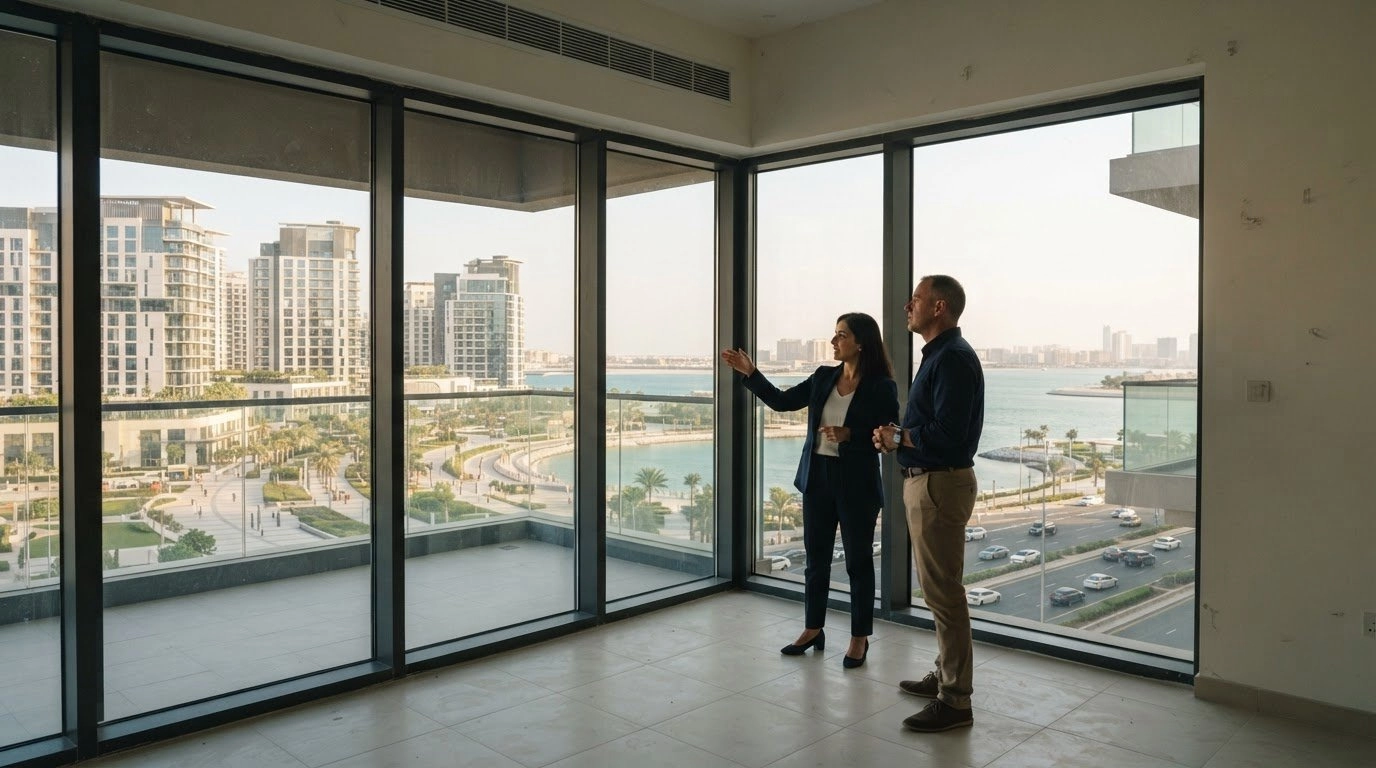
Rental income is only one part of a property investment’s potential return. In Cairo, investors can also consider commercial properties and the possibility of future value growth, alongside the asset’s intended use and ownership terms.
It’s natural to focus on rent: steady occupancy can make a property seem like a straightforward investment. But headline yield is only one measure. Location, demand, operating costs, and market risks all influence performance, and projected income is not the same as net returns.
This guide explores how rental income fits alongside other property returns in Cairo. You’ll learn how demand, ownership considerations, and market risks can shape an investment decision, and why the right property depends on your priorities, not just the rent it could generate.
Key Takeaways
• Look beyond rent when assessing a property: operating expenses and potential changes in value also shape its overall return.
• Consider how a district’s homes, workplaces, services and amenities may influence the property’s appeal to residents and businesses.
• Compare residential and commercial assets by the demand they serve, the likely occupier, and the property’s intended use.
• Assess lease terms and operating commitments as part of a commercial property’s income and flexibility.
• Align the property type and ownership structure with your investment goals before choosing an opportunity.
Table of Contents
1. Foreign property ownership
2. Why Invest in Egypt Now?
3. Do income-producing assets rely only on rental yield?
4. Residential and commercial real estate demand
5. Egypt's real estate market and investment risks
6. Oia Properties: Off-plan Property Investments
Foreign property ownership
Foreign ownership means acquiring property in Egypt under an ownership structure that applies to the buyer and the property. For international investors, understanding that structure is essential before comparing potential rental income, property use, or long-term value.
Foreign Ownership Considerations
Start by identifying the specific property, its intended use, and the ownership arrangement described in its transaction documents. These details matter because a buyer’s rights and responsibilities depend on the asset and its legal structure, not simply its address in Cairo.
Law No. 230 of 1996 sets the general conditions for non-Egyptian ownership: up to two properties nationwide for private residence by the owner and family, without prejudice to property needed for a licensed business activity; a maximum of 4,000 square meters per property; and no transfer of title for five years from acquiring ownership, unless an exception is granted. Separate rules treat non-Egyptians like Egyptians for residential units in new urban communities, subject to approval from the competent authorities. Amendments to these limits have also been under review, so confirm which rules apply to your purchase with Egypt’s Real Estate Registration and Notarization Authority or a qualified Egyptian lawyer.
Assess residential, commercial, and administrative uses separately. A home, an office, and medical premises serve different occupants and require different demand assessments. For a residential property, compare the likely tenant profile with the location and nearby amenities. For an income-producing asset, weigh operating expenses against projected rent.
Each residential setting presents a distinct investment proposition. When considering an apartment in a residential compound, such as those in New Cairo, assess its intended use, likely occupier, and management needs rather than assuming the setting alone determines income.
Buying, Registration, and Verification
A careful purchase process moves from selecting a specific unit to reviewing ownership documents, project approvals, and the sale agreement, then completing the relevant transaction and registration requirements. This sequence connects the property being purchased with the rights and obligations recorded in its documents.
When reviewing a developer and project, examine the title documentation, relevant permits, construction progress, delivery record, and terms attached to the unit. Match each document to the property and agreed transaction. This helps distinguish the contractual position from promotional descriptions, particularly for a property still under development.
Which new developments and off-plan projects offer investment opportunities in Cairo? Options span areas including New Cairo, the New Administrative Capital, Sheikh Zayed, and 6th of October City. Each has a different setting and property mix, so assess the specific unit and its intended use.
Cairo investment decisions also benefit from separating purchase value from income potential. Compare an apartment intended for residential leasing with a unit intended for another use, and consider the costs that affect net income. Advertised rent does not account for periods without a tenant or ongoing property expenses.
Emerging districts and established destinations can attract different buyer and tenant profiles. In Greater Cairo, compare a property in the New Administrative Capital with one in New Cairo by location, surrounding amenities, and intended occupier. The key question is not simply which area is newer, but which setting aligns with the property’s purpose.
For an income-focused investment, assess likely rental demand, vacancy exposure, and management requirements together. For a longer-term holding, consider how the property’s use and location fit your objectives. This framework helps international buyers compare Cairo opportunities without relying on a single headline feature or projected return.
Why Invest in Egypt Now?
The New Administrative Capital adds a distinct growth story to Egypt’s property market. Its appeal rests on more than rental income: location, infrastructure, and the relationship between current demand and potential future capital growth all shape the investment case.
New Capital Investment and Infrastructure
Egypt’s New Administrative Capital is a planned smart city east of Cairo, combining residential communities, government institutions, business districts, and lifestyle amenities. Its scale matters because these uses can create different sources of property demand within one urban destination.
Development across around 170,000 feddans gives investors a broad district to assess, not a single property category. Consider how a residential unit’s appeal may relate to nearby workplaces and amenities, while commercial property depends on the activity its location serves. Those connections help frame buying decisions around the city’s intended role.
Infrastructure is part of that assessment, but consider its practical effect on a specific property. Access between residential areas, government offices, and business districts can influence convenience for residents and tenants. A planned smart-city environment also brings lifestyle amenities into the picture, making the mix of uses relevant to property selection.
The investment case depends on the asset, not simply the city’s scale. A residential unit aimed at people working in the administrative capital has a different demand profile from commercial space serving businesses. Match the property’s intended use to the district’s function, then consider how surrounding development supports that use.
Capital Growth and Rental Returns
Capital growth describes an increase in a property’s value, while rental returns come from income earned during ownership. Separating these measures matters because an asset can support a long-term appreciation strategy, an income strategy, or a combination of both.
For example, an apartment in the New Administrative Capital can be assessed for potential tenant demand and its position within a developing urban district. Rental yield measures income relative to property value; capital appreciation concerns a change in value over time. Neither measure captures every cost or the investor’s eventual proceeds.
Egyptian rental yields can range from 6% to 10% annually, depending on location. That range is not a forecast for a particular property. Location affects tenant demand, while property type and operating expenses influence the income an owner retains. Assess gross rent and net income separately.
To assess capital appreciation, focus on factors that connect an asset to lasting demand: its intended use, access to district destinations, and the growth of surrounding services. The administrative capital’s residential, government, and business functions offer several demand drivers to evaluate, but each property’s position determines their relevance.
Investors considering an emerging district can explore off-plan property investments as one route into its development story. Compare the purchase’s income potential with its longer-term value strategy, and keep both return measures visible in your decision.
Do income-producing assets rely only on rental yield?
No. A residential apartment can generate rental income, while its overall investment case also depends on occupancy, running costs, and potential changes in property value. In Cairo, assess each component separately before treating projected rent as a complete measure of returns.
For a long-term rental, start with the apartment’s likely tenant profile. A home near workplaces, schools, or healthcare facilities may suit residents seeking convenient access to daily services. The unit’s size, layout, and location influence who might rent it and how consistently it may remain occupied.
Vacancy changes the income calculation. If an apartment is empty between tenants, its owner receives no rent during that period, even as regular property expenses continue. Estimate income using realistic occupancy assumptions, then account for expenses such as maintenance and management to understand net yield instead of relying only on advertised rent.
Net yield makes it easier to compare residential apartments with different rents and operating needs. For example, a unit with higher gross rental income may leave less income after expenses than a simpler apartment with lower costs. Compare like with like: location, tenant demand, expected vacancy, and ongoing upkeep all shape the result.
Holiday rentals work differently. Egypt’s hospitality property options include vacation homes, serviced apartments, and resort properties. These assets target visitors rather than only people seeking a long-term home, so demand can shift with travel patterns and seasonality across the region.
Tourist areas in Egypt are advertised with rental yields of up to 10% per year. Treat that figure as a market claim, not a guaranteed return for an individual property. The actual income depends on the unit’s location, use, occupancy, and the costs of preparing and operating it for guests.
A long-term lease can offer a more consistent rental schedule, while a holiday rental may earn income during busy travel periods and face gaps between bookings. Compare the operating model as well as potential revenue. Guest turnover, property readiness, and management needs differ from those of an apartment occupied by a longer-term tenant.
Payment structure also affects investment planning, but it doesn’t create rental performance by itself. Some Egyptian developers offer installment plans with down payments as low as 10%, and some payment plans extend up to 10 years. For an off-plan apartment, consider how payments align with the project timeline and when the unit could begin generating income.
Build a clear picture of returns by separating rental income, operating expenses, vacancy, and potential capital appreciation. This comparison helps investors choose between residential apartments and hospitality properties according to their preferred income model, time horizon, and appetite for active management.
Residential and commercial real estate demand
Demand in Cairo varies by property type, district, and intended use. Sheikh Zayed and 6th of October City are residential and commercial hubs with strategic locations and connectivity. That combination gives investors distinct demand patterns to assess, from homes for residents to premises serving businesses and shoppers.
For residential property, location advantages are practical: access to workplaces, services and transport connections can influence a household’s choice. In Sheikh Zayed, assess whether the surrounding area suits the intended resident and whether nearby services support daily needs. In 6th of October City, the same questions help frame a property’s likely audience without assuming every neighbourhood attracts identical demand.
Commercial property includes several formats, such as retail spaces, shopping centers, and commercial units, each serving a different use. A retail unit depends on customer access and nearby activity; a shopping center brings multiple businesses together; an office or other commercial unit serves a distinct tenant profile. Compare the use with the surrounding district before evaluating income potential.
New Cairo offers examples of how commercial projects differ in scale. G7 Mall covers 6,000 square meters, while The Rift Business Park spans 70,000 square meters. These figures describe very different project footprints. They can help frame an initial comparison, but size alone doesn’t establish tenant demand or determine a unit’s performance.
The Rift Business Park also has a 355-meter facade, an artificial lake spanning 12,000 square meters, and garages accommodating over 2,500 cars. These project features provide context for the planned environment and access. For an investor, the key question is how those features relate to the intended occupants, nearby activity, and the commercial space being considered.
Use a property-specific comparison rather than treating every Cairo project as equivalent. First, identify the asset’s use: residential, retail, or business premises. Then consider who would occupy it, what local activity supports that audience, and whether the property’s location suits that use. Sheikh Zayed’s and 6th of October City’s strategic connectivity makes access relevant to both homebuyers and commercial tenants.
Demand also depends on the relationship between a unit and its wider district. A residential property serves households; a shop needs customer activity; a commercial unit needs businesses seeking suitable premises. These are separate demand drivers, even when projects combine uses. A mixed commercial environment may support several business formats, but each unit still needs a clear tenant profile.
For a measured investment decision, compare the intended use, district connectivity, project scale, and likely occupier as separate factors. The range from G7 Mall to The Rift Business Park shows why Cairo’s commercial opportunities aren’t one uniform category. Treating residential and commercial assets distinctly helps clarify which demand pattern best matches your investment objectives.
Egypt's real estate market and investment risks
Investing in Egypt calls for more than comparing advertised rent with a property’s purchase terms. Cairo investors also need to assess ownership documents, project delivery, tenant demand, and the commitments attached to an asset. Each factor can affect when the property generates income and how easily an investor can adapt to changing plans.
Start with the property’s legal and commercial position. For a completed unit, review the title documents, permitted use, and sale agreement together. For an off-plan project, focus on the developer’s delivery record, construction progress, project approvals, and agreed completion terms. These checks help distinguish documented facts from assumptions based on marketing.
Commercial property can carry commitments beyond the purchase itself. Some Egyptian commercial units have mandatory lease contracts lasting 5 or 10 years. A fixed lease may define how the unit is operated and constrain an owner’s flexibility. Review the lease terms alongside the asset’s intended use, income arrangements, and exit plans before treating it as a passive investment.
What financing and mortgage options are available for real estate investors in Egypt? Some Egyptian developers offer flexible installment plans for property purchases. If buying with a mortgage, compare the lender’s repayment terms with the property’s expected income, ownership costs, and, for off-plan assets, construction timeline.
Payment structure matters because rent may not begin when purchase payments start. An off-plan buyer should map each installment against construction and handover stages, then consider when occupancy could begin. This keeps cash-flow planning tied to the asset’s progress rather than relying on rental income before the property is ready.
Market risk also arises when expected demand does not match the chosen asset. A retail unit depends on business activity and customer access; a residential apartment depends on household demand and location. Compare the intended occupier with the district’s role. New Cairo office space, for example, serves a different purpose from a home in a residential compound.
For income analysis, distinguish expected rent from net income after operating expenses and vacancy. An advertised yield does not account for every cost or period without a tenant. Build the assessment around the unit’s use, likely occupancy, lease obligations, and ongoing management needs. This makes properties easier to compare on consistent terms.
For a disciplined investment decision, bring the legal documents, project terms, financing schedule, and income assumptions into one review. Explore property investment options with those factors in view, especially when comparing off-plan opportunities or planning a broader property portfolio.
Oia Properties: Off-plan Property Investments
Oia Properties helps investors explore off-plan property investments and assess how they fit wider objectives. This can suit buyers considering projects before completion, while apartments and villas for sale offer diverse residential alternatives. Real Estate Portfolio Management can support investors in organizing property holdings around their chosen strategy.
Use the market factors covered above to guide your next move: intended use, tenant demand, ownership documentation, project terms, and income expectations. The right opportunity depends on how these considerations align with your goals and appetite for risk.
Contact Oia Properties to discuss your property investment priorities.
Make Your Next Property Decision With Purpose
The strongest investment choice is the one that fits your capital, time horizon, and preferred level of involvement. Before moving forward, decide whether you want income during ownership, exposure to potential value growth, or a balance of both. That clarity can turn a broad search for real estate investment opportunities in Cairo into a focused assessment of the property’s role in your plans.
For residential investment planning, Oia Properties offers apartments, villas, and townhouses for sale. These options can support different ownership goals, from a standalone home to a broader portfolio strategy. Keep your priorities clear as you assess which property type fits your next move.
When you’re ready to discuss your property objectives and explore suitable options, contact Oia Properties. Take the next step with a defined strategy and make your investment decision with purpose.
Frequently Asked Questions
Why Invest in Cairo?
Cairo offers residential, commercial, and administrative property options, allowing investors to align an asset with different income and ownership goals. Its large population supports varied housing and business needs, while New Cairo combines residential compounds with schools, healthcare, and commercial hubs. For real estate investment opportunities in Cairo, assess the specific district, intended occupier, and property use rather than treating the city as one uniform market.
Why Invest in the New Capital?
The New Administrative Capital may appeal to investors seeking exposure to a developing city planned around residential communities, government institutions, business districts, and lifestyle amenities. These uses create distinct reasons for people and businesses to locate there. Consider whether a property serves residents, government-related activity, or commercial demand, then assess how its setting fits that purpose. The investment case depends on the asset’s role, not the city label alone.
What are the best areas in Cairo for real estate investment?
No single district is best for every strategy. New Cairo combines residential compounds and commercial hubs, while Sheikh Zayed and 6th of October City are presented as residential and commercial hubs with strategic locations and connectivity. Compare each area by the likely occupier, nearby services, and property use. A residential buyer seeking household demand may prioritize different features from an investor considering retail or administrative space.
What are current apartment and commercial property prices in Cairo by neighborhood?
Prices depend on neighborhood, property type, unit size, condition, and intended use, so compare similar assets rather than broad city averages. Assess an apartment against residential units with comparable layouts and locations. For commercial property, consider use, access, and project setting. Keep asking prices separate from expected rental income, and assess whether likely demand supports the asking price.
What rental yields and annual property price growth can investors expect in Cairo?
Rental yields vary with location, tenant demand, vacancy, and ownership expenses; annual price growth also depends on the individual asset and its surrounding market. Treat rent and appreciation as separate return components. For instance, an apartment with reliable occupancy may support income, while its resale value is shaped by different factors. Compare net income after operating costs, and do not treat past or advertised growth as a forecast for another property.
How do property prices and rental yields compare across New Cairo, the New Administrative Capital, Sheikh Zayed, and central Cairo?
Compare like-for-like properties across these locations, matching unit type, size, condition, and intended use. New Cairo has residential and commercial hubs; the New Administrative Capital combines government, business, and residential uses. Sheikh Zayed is also presented as a connected residential and commercial hub. For central Cairo, apply the same asset-level comparison, then weigh occupancy prospects and expenses rather than assuming one district automatically delivers a stronger yield.
What taxes, fees, and legal rules apply when buying property in Egypt as a foreign investor?
Foreigners can legally own property in Egypt, subject to the conditions in Law No. 230 of 1996, including limits on the number and size of properties and a five-year restriction on transferring title, unless an exception or special rule applies. For a purchase, treat title documents, permitted use, and the sale agreement as core legal considerations, and include transaction-related taxes and charges in your financial planning. Applicable costs depend on the specific purchase and its documentation. A careful review connects the property being transferred with its ownership papers and agreed terms.
What are the main risks of investing in Cairo real estate, including currency and developer risks?
Key risks include weaker-than-expected tenant demand, vacancy, operating costs, project delays, and documentation issues. For an investor measuring returns in AED, changes in the EGP exchange rate can also affect the value of income or sale proceeds after conversion. Assess the developer’s delivery history and project progress, and consider how a delayed handover would affect planned cash flow. Keep currency exposure separate from property performance.
