.svg)


 English
 العربية

Why Looking at the Bigger Picture Still Matters in Abu Dhabi Real Estate Right Now
- March 13, 2026
- /
- Investments & ROI
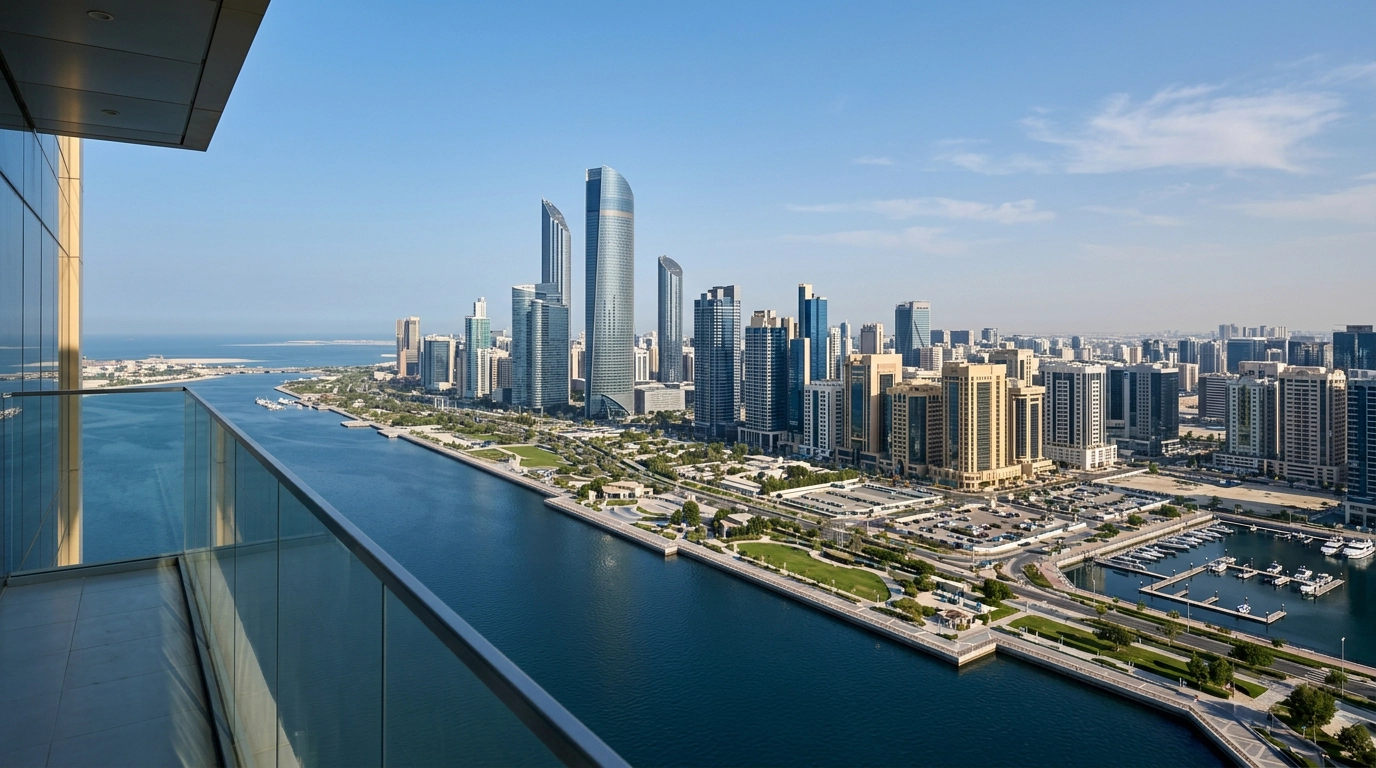
When uncertainty gets louder, strong markets do not reveal themselves through headlines. They reveal themselves through performance, resilience, and the ability to keep moving with confidence.
That is exactly why perspective matters in Abu Dhabi real estate right now.
Even in the first week of March 2026, Abu Dhabi property sales exceeded AED 4.267 billion, a reminder that real activity has not disappeared despite rising outside noise. The market is still moving, buyers are still making decisions, and confidence has not simply been switched off by uncertainty.
More importantly, this March momentum is sitting atop a much bigger structural story. The latest official annual picture available in March 2026 shows that Abu Dhabi recorded AED 142 billion in total real estate transaction value in 2025, with residential sales rising 67% to AED 76 billion. ADREC’s 2025 market report also states that foreign investment accounted for 69% of overall market growth, which matters because it shows that confidence in the market is not solely local. It is broad, international, and tied to long-term conviction.
That strength also sits inside a wider city story. Abu Dhabi’s population reached approximately 4.14 million in 2024, up 7.5% year-on-year and 51% over the past decade. At the same time, Abu Dhabi’s economy expanded by 7.7% in Q3 2025, while the non-oil economy grew by 7.6% and the real estate sector itself grew by 13.1% year on year. That combination matters. It suggests that real estate demand is being supported not just by sentiment, but by population growth, economic expansion, and continued urban development.
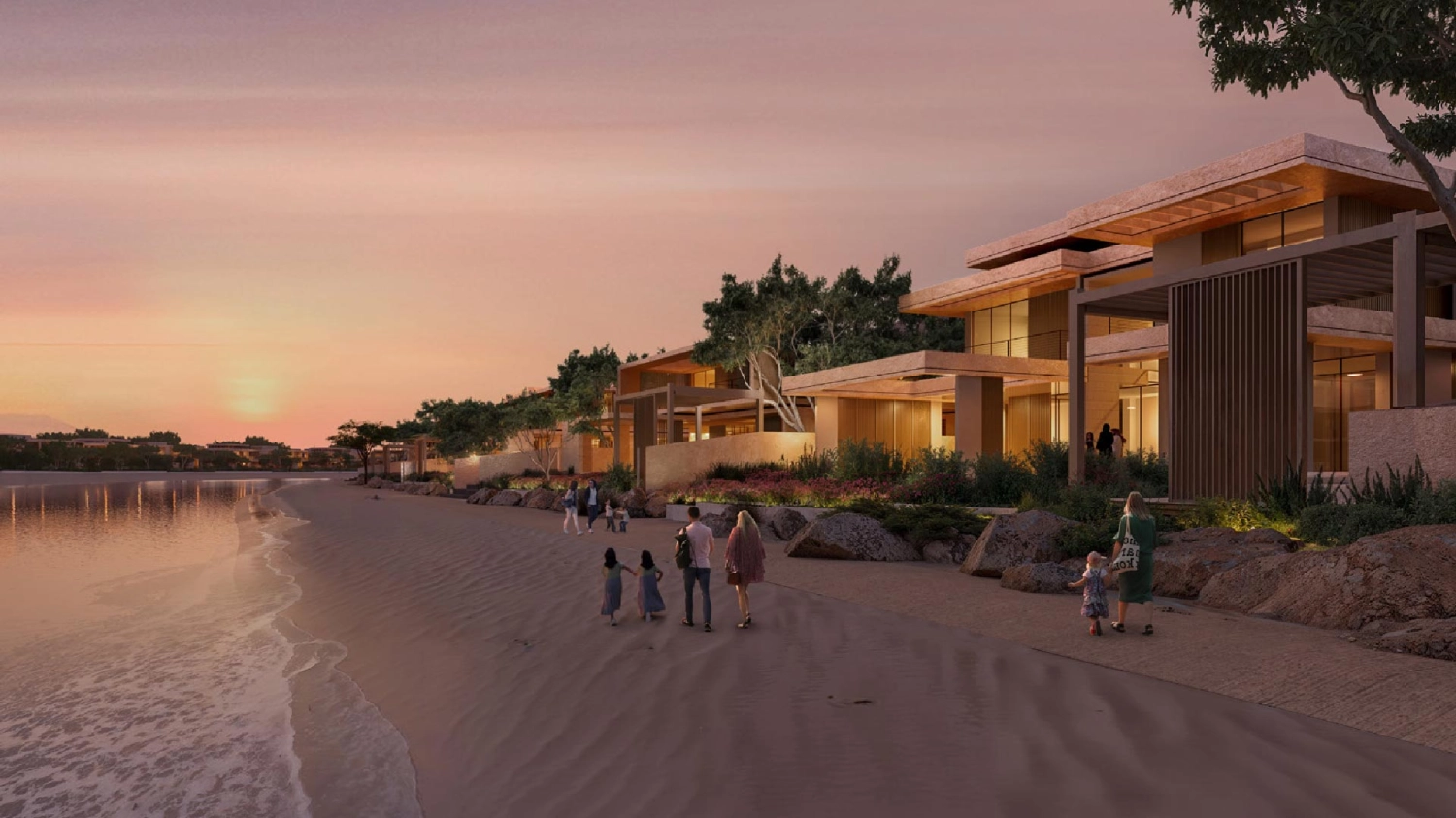
One of Abu Dhabi’s clearest strengths is its depth. It is not dependent on a single district, a single buyer profile, or a single product type. That becomes very clear when you look across OIA’s own Abu Dhabi area ecosystem: Al Reem Island, Yas Island, Saadiyat Island, and Fahid Island. Each one represents a different residential story. Reem continues to appeal to buyers who want an established urban island with everyday convenience. Yas offers destination value, entertainment, and family-led lifestyle demand. Saadiyat sits in the premium cultural and coastal segment. Fahid reflects Abu Dhabi’s next chapter in lower-density, wellness-led waterfront living. That range is one of the strongest signs of resilience any market can have.
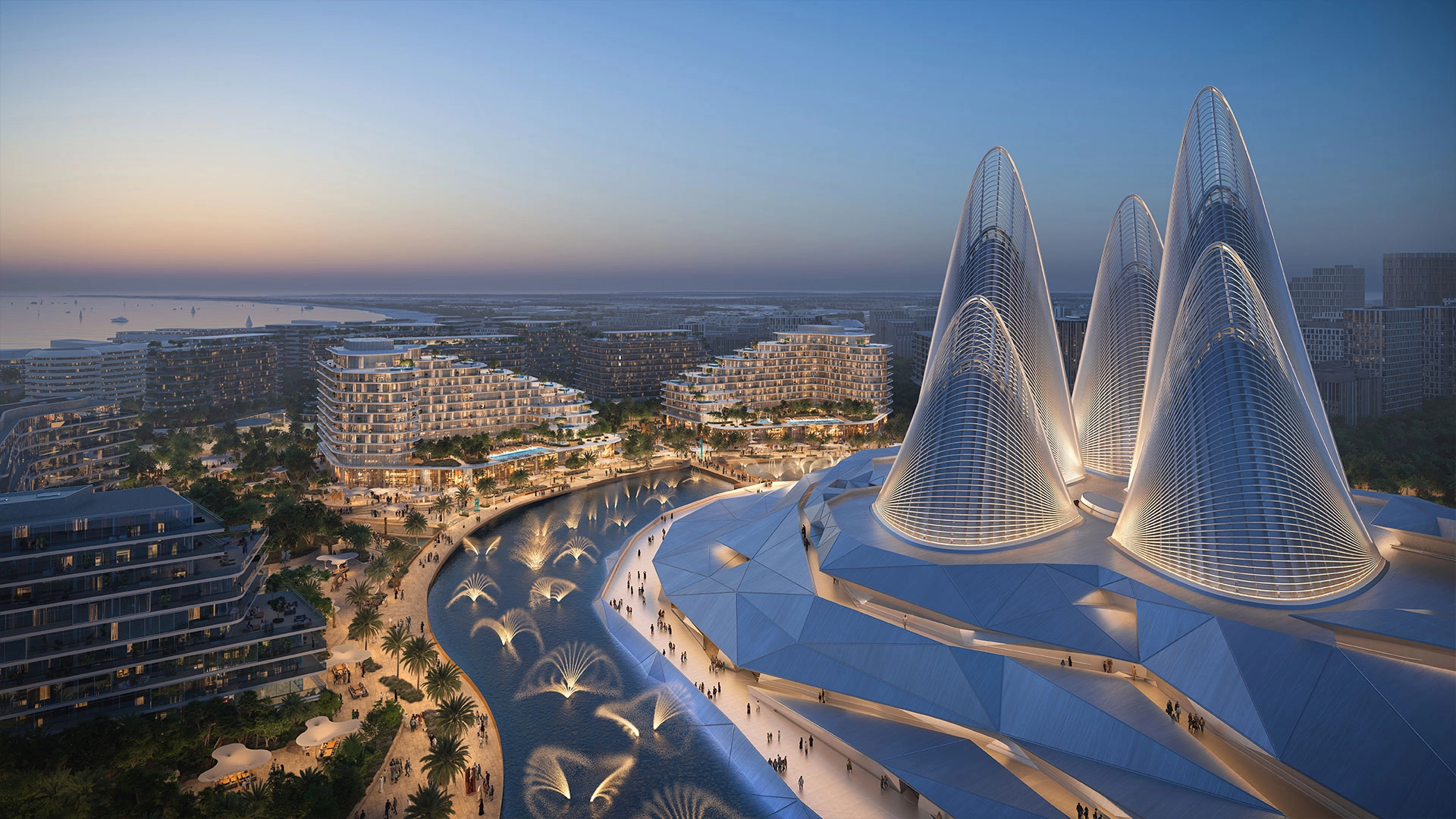
You can see the same pattern in the projects shaping today’s conversation. On Saadiyat, The Source Terraces reflects the continued strength of premium, wellness-focused real estate in the Cultural District. On Fahid, Fahid Beach House and Fahid Beach Terraces point to a softer but highly relevant market direction, one centred on the coastline, lower-density planning, and a more considered way of living. These are different product stories, but that is exactly the point. Abu Dhabi is not moving in one narrow direction. It is becoming broader, more layered, and more refined at the same time.
That is why the bigger picture matters so much right now. A strong market does not need to be untouched by the world around it. It needs to show that it can continue functioning with relevance, structure, and long-term logic. Abu Dhabi still does that well. It continues to offer clear location choices, recognisable communities, and products that make sense for different goals. Some buyers will still be drawn to Al Reem's practicality. Others will lean toward Yas for its lifestyle pull. Some will want the prestige and cultural depth of Saadiyat. Others will look at Fahid and see the value of entering a newer waterfront destination with long-range upside. The difference now is that buyers can make that decision with more precision.
For readers who want to go deeper, OIA already has the right internal pathways to support that decision-making journey. Buyers comparing community lifestyle can start with Living in Al Reem Island Abu Dhabi and then move into the more decision-led Al Reem Island, Abu Dhabi: Live or Invest?. Foreign buyers can use Can Foreigners Buy Property in Abu Dhabi in 2026? for ownership clarity. Timing-focused readers can go to Buy Now or Wait? 5 Practical Questions to Answer Before You Decide in the UAE and Why the Start of 2026 Is the Smartest Moment to Invest in Abu Dhabi. And for a broader market context, OIA’s own H1 2025 Real Estate Market Report remains a useful reference point.
There is also an emotional side to this conversation that should not be ignored. When people ask whether the UAE is still safe or whether the market is still stable, they are often asking something deeper. They are asking whether they can still trust the direction of the place they are buying into. Whether they can still make a long-term plan. Whether this is still a market where calm, rational thinking makes sense. Abu Dhabi continues to answer those questions through continuity, active demand, visible development, and a market structure that still offers buyers options rather than confusion.
When you step back and look at the city properly, it does not look like a market losing balance. It looks like a market becoming more selective, more refined, and more mature. It looks like a city where communities such as Yas Island, Saadiyat Island, Al Reem Island, and Fahid Island are each contributing to a broader and more durable real estate story. And in real estate, that kind of market depth is never a small detail. It is often the real story.
So this is not a moment for panic-driven thinking. It is a moment for perspective. A moment to choose verified information over speculation, clarity over pressure, and long-term logic over short-term noise.
The bigger picture in Abu Dhabi real estate still points to strength, continuity, and confidence. And that is exactly why it still deserves attention.
