.svg)




 English
 العربية

What Makes a House Feel Like Home?
- December 31, 2025
- /
- Buyer and Seller Guides

When people start looking for a new place, the conversation usually begins with numbers and facts:
Budget
Size
Number of bedrooms
Location
But if you listen closely during viewings, most real decisions are made with sentences like:
“This just feels right.”
“I don’t know… something feels off.”
“I can see myself here.”
So what actually makes a house feel like home?
From a real estate point of view, our job is not just to show properties; it is to understand why certain spaces feel safe, calm and “like us”, and then help clients find more of that.
Below is a simple, human framework we use when we think about “home”.
1. Comfort for the body: light, sound, air
Before anything else, your body reacts to a space.
You step inside a living room, stand still for a moment, and without analysing anything, your nervous system is already giving an answer:
Is it too dark or pleasantly bright?
Is there traffic noise, echo, neighbour noise?
Does the air feel heavy or fresh?
Three invisible factors matter a lot:
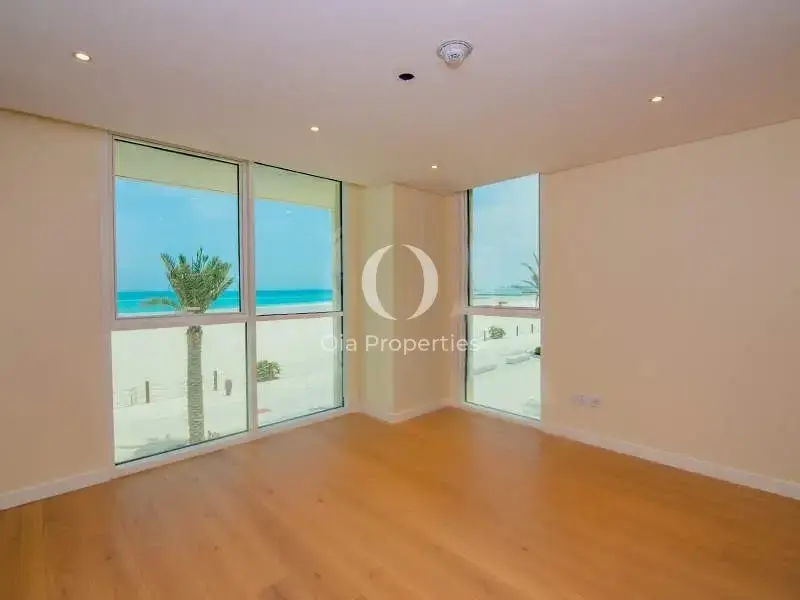
Natural light
Homes with decent daylight usually feel more alive and less draining. Morning light in the kitchen, soft evening light in the living room – these small details change mood more than a fancy countertop.Sound
Constant noise keeps your body slightly “on guard”. Thin walls, a loud road, or a busy lift lobby can make a technically “nice” apartment feel stressful. A home that feels like home lets your shoulders drop.Air & temperature
Windows that actually open, some flow of air, a balcony or even a small outdoor corner; all of this helps the space breathe. Stale air and rooms that are always too hot or too cold slowly wear people down.
As an agency, this is why we like to slow down during viewings.
It is not only about “Here is the kitchen, here is the bedroom.” Sometimes the best question we can ask is:
“Let’s just stand here quietly for a minute. How does this room feel in terms of light and sound?”
2. Life fit: routines and layout
A house feels like home when your daily life fits inside it without a fight.
It is not only about how it looks in photos; it is about how it behaves at 7:00 a.m. on a chaotic weekday or at 10:00 p.m. after a long day.
Some simple questions:
Where do you put your keys, bags and shoes when you enter?
Where does the first coffee of the day happen?
If you work from home, is there a spot that can be “work mode” and then disappear again?
If you have kids, where do school bags, toys and laundry actually go?
Two practical pieces:
Layout
Open kitchen vs closed, position of bedrooms, how people move through the space; all of this decides whether the house helps your routine or constantly gets in the way.Storage & clutter
Many flats do not feel small; they feel badly organised. Enough wardrobes, a proper laundry area, a bit of hidden storage can be the difference between calm and chaos.
From our side, we try to move the conversation from:
“Do you like this design?”
to:
“Walk me through a normal day in this home. Does it make your day easier, or do you feel the friction?”
3. Emotional needs: safety, control, identity
Beyond comfort and layout, “home” answers three emotional needs: safety, control and identity.
Safety
Not just locks and cameras, but the feeling of “I can relax here.” The entrance, parking, corridor, lift, and the immediate street all contribute to this.Control
Being able to arrange your space, manage noise, decide who enters, and feel that you are not at the mercy of the building or neighbours all the time.Identity
Your home says something about you, even if you are not trying to impress anyone. Some people feel like themselves in a minimal, clean space; others need warmth, books, family photos, colours. The right home feels like an extension of your personality, not a hotel room you’re just passing through.
4. Surroundings: neighbours, street, community
You never just choose an apartment. You always choose:
A building
A street
A small community around you
Even if you never speak to your neighbours, their habits shape your life:
Are there families with kids playing in the corridor or courtyard?
Is the building mostly long-term residents or constant short-term rentals?
Is it quiet but friendly, or cold and tense?
The street matters too:
Is there a supermarket, pharmacy, park or café within a short walk?
How does it feel to come home at night – bright and active, or dark and uncomfortable?
Do you see the same faces from time to time, or is everything changing every week?
These details decide whether you feel rooted or always “temporary”.
A simple piece of advice we give clients:
“If you like a unit, come back and walk the area at a different time of day. Morning, late evening, weekend. Look at the people, the noise, the lights. Ask yourself honestly: can I picture my everyday life here?”
5. Our role: turning “this feels right” into a clear brief
Most people know the feeling: you walk into a place and your body says “yes” or “no” before your brain catches up.
The hardest part is translating that feeling into clear criteria:
“I need more light in the living room.”
“I want to feel safe coming home late.”
“We need real storage, not just pretty shelves.”
“I want an area where I can bump into people, but still have privacy at home.”
As a real estate company, this is where we can add real value.
Our job is not only to show you everything on the market.
Our job is to listen carefully, ask better questions, and then:
Filter options that fit your life, not just your budget
Highlight not only the specs, but how each home will feel
Be honest when a unit looks good on paper but probably won’t work for your reality
Because in the end, you are not just buying or renting square metres.
You are choosing the place where your mornings start, your evenings end, and your life will quietly unfold.
And that feeling: “this house actually feels like home” is worth putting at the centre of the whole search.
