.svg)



 English
 العربية

High-Rise vs Low-Rise in Abu Dhabi: A Family Routine Guide for 2026
- February 27, 2026
- /
- Lifestyle & Amenities
_1772181949_5848a377.webp)
Most families think this decision is about height.
It isn’t.
It’s about friction.
How many small steps does it take to get through a normal weekday, without your home fighting you the whole time?
If you want a simple way to pressure-test any area first, start with The Comfort Index. Then come back here to choose the home format that fits your family.
The Family Fit Index (7 Questions That Make the Decision Clear)
1) What is your weekday gravity: city access or community calm?
Some families need “quick in, quick out.”
Others need “slow streets and easy routines.”
Ask yourself:
Is your morning built around commuting or school runs?
Do you need central access daily, or only occasionally?
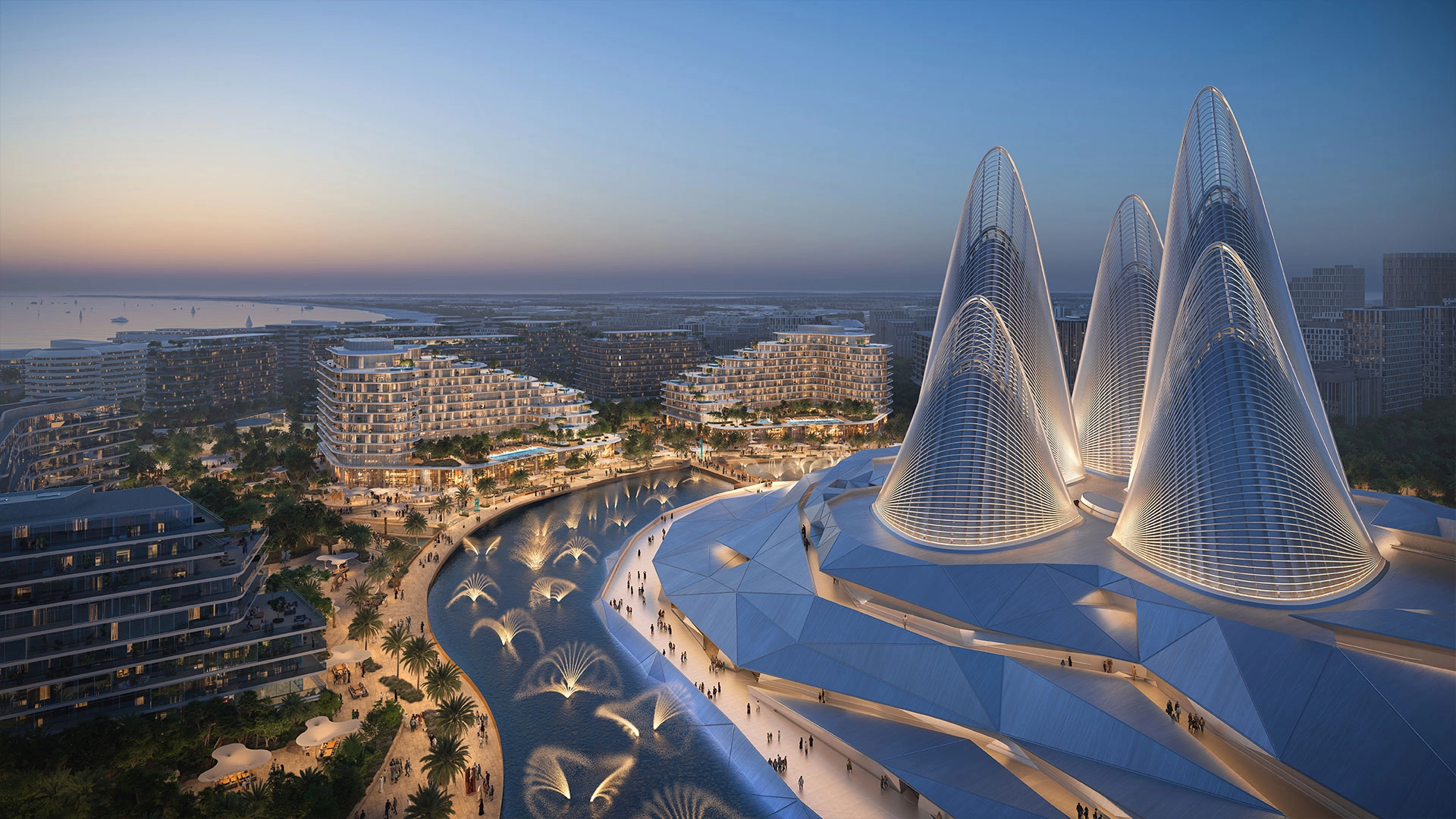
High-rises usually suit families who want fast access, nearby services, and a vertical “all-in-one” lifestyle. A common example is Al Reem Island, where the rhythm is modern, connected, and city-adjacent.
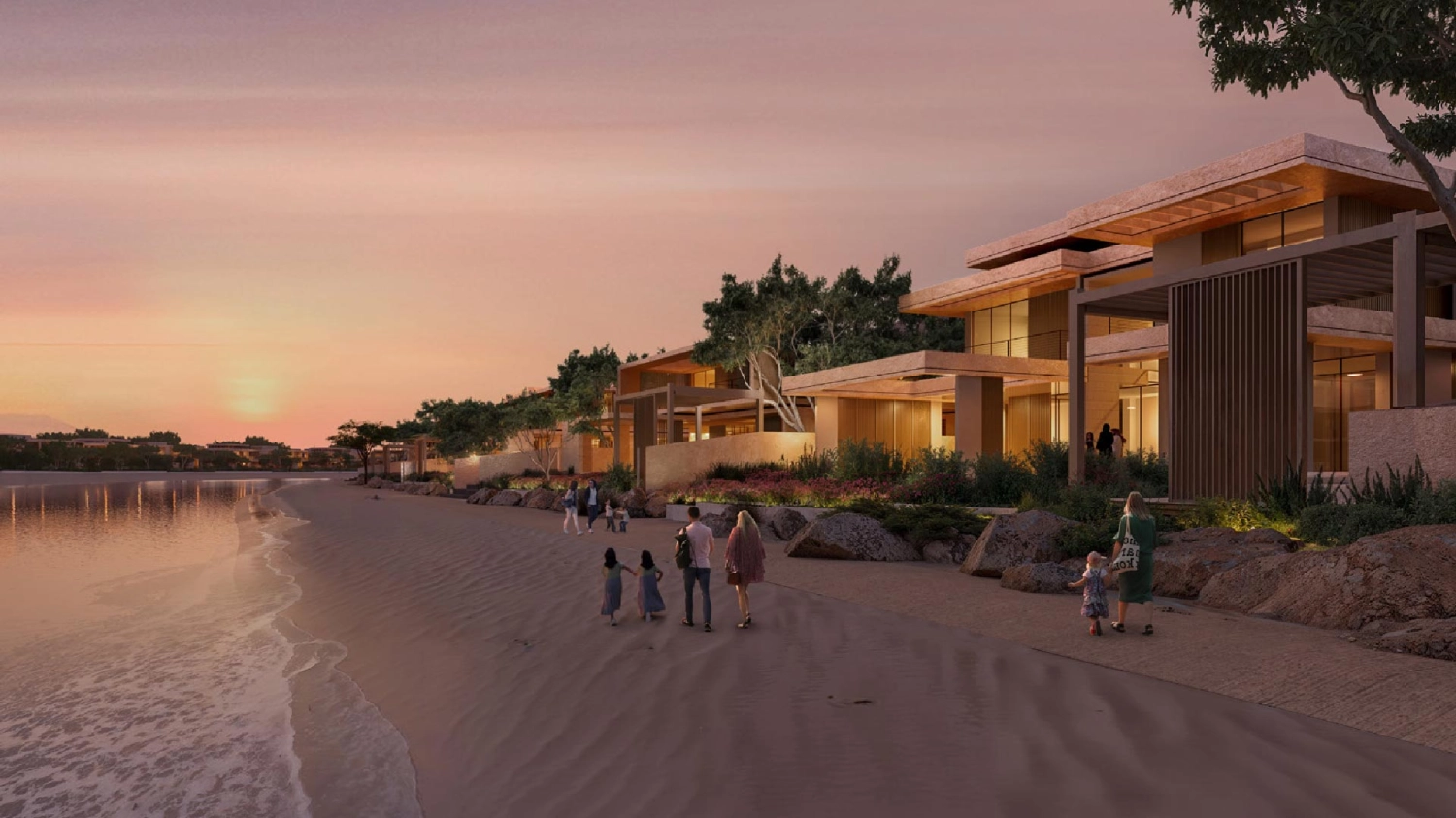
Low-rise usually fits families who want the routine to happen within the community, not around it. A strong reference for that active, family-forward direction is Hudayriyat Island.
2) Do you want convenience upstairs… or outside your door?
Families often say “walkable.”
But the real test is: will you use it on a random Tuesday?
Ask:
Can you move without planning a drive?
Is your “outdoor time” part of the routine, or a weekend event?
If you want a walkable, neighbourhood feel in a more compact format, look at projects designed around movement and daily access to social spaces, like Yas Living on Yas Island.
If you want low-density, wellness-led planning as a core idea (not a marketing line), see Fahid Island.
3) What age are your kids right now (and in 3 years)?
“Family-friendly” changes completely depending on the stage.
Ask:
Do you need stroller-easy access and quick exits?
Or do you need quiet zones, privacy, and space for older kids?
If you’re building life around younger kids, most families prefer:
easy outdoor access
predictable movement
less daily “building friction”
That is why townhouse and villa-led communities stay popular for families on Yas, including options like Yas Park Gate and The Dahlias.
If your family is more “lock-and-leave” and you want managed amenities and a simpler footprint, high-rise living in Reem can be a good fit, with examples such as ONE Residence or Radiant Elite Tower.
4) How much do you care about shared spaces and peak-hour pressure?
This is the part most buyers don’t think about until they move in.
Ask:
Are you okay with lifts, lobbies, and shared circulation during peak times?
Or do you want fewer shared touchpoints in daily life?
High-rise can feel efficient, but it’s more “shared system” living.
Low-rise can feel calmer, because the movement is spread out and more direct.
If you’re comparing the two in Abu Dhabi specifically, it helps to contrast a vertical hub like Al Reem Island with a more open, movement-first direction like Hudayriyat Island.
5) Do you want outdoor space you can use, or outdoor space you can see?
Balconies are great.
But families rarely live on a balcony the way they imagine.
Ask:
Will your kids be outside daily?
Do you want a “walk out and breathe” lifestyle, or just light and a view?
For outdoor-routine families, the pattern matters more than the view. That’s where communities like Hudayriyat Island and wellness-planned low-density options like Fahid Island tend to align better.
6) Which layout style is more forgiving for real family life?
Beautiful listings don’t show real life: storage, clutter, gear, school bags, weekend mess.
Ask:
Do you need “buffer space” (storage, utility, wider circulation)?
Do you want a home that stays comfortable even when life gets busy?
Larger family layouts often appear more naturally in townhouse and villa formats, such as The Dahlias on Yas Island.
More compact, efficient living can work well in high-rise, especially when the area itself carries the daily convenience load, like Al Reem Island.
7) What is your Plan B: resale, rent, or lifestyle only?
Even if you’re buying to live, your future flexibility matters.
Ask:
If your plans change, will this home rent easily?
Will it resell to a wide buyer profile, or only a niche one?
If you want a data-led example of how an established freehold hub behaves, read Al Reem Island Returns: If You Bought Last Year.
If you’re still deciding between renting and buying in 2026, this is the most practical companion piece: Rent vs Buy in Abu Dhabi (2026).
And before you commit to any option, don’t skip the real-cost layer: Hidden Costs of Buying Property in Abu Dhabi (2026).
A practical Abu Dhabi shortcut: choose your “family island direction”
If you like city rhythm + high-rise living, start your shortlist from Al Reem Island.
If you like active living + family movement, start from Hudayriyat Island.
If you want entertainment + family communities, start from Yas Island.
If you want culture + premium lifestyle, start from Saadiyat Island and layer in this guide: Saadiyat Cultural District.
Want a direct waterfront comparison between two very different futures? Use Saadiyat vs Hudayriyat as your filter.
Bottom line
The right answer is rarely “high-rise” or “low-rise.”
It’s what makes your weekdays easier.
Choose the home format that supports:
your kids’ stage
your movement pattern
Your tolerance for shared spaces
Your Plan B
Everything else is just aesthetics.
Practical next step (shortlist it properly)
If you want us to shortlist options using this exact framework, send:
Your preferred Abu Dhabi areas
budget range
kids’ ages (or plans)
commute pattern (daily/hybrid/remote)
Then explore:
