.svg)





 العربية
 English

1 Bedroom Apartments for Sale in Dubai: Ownership and Benefits
- November 09, 2026
- /
- المقارنات
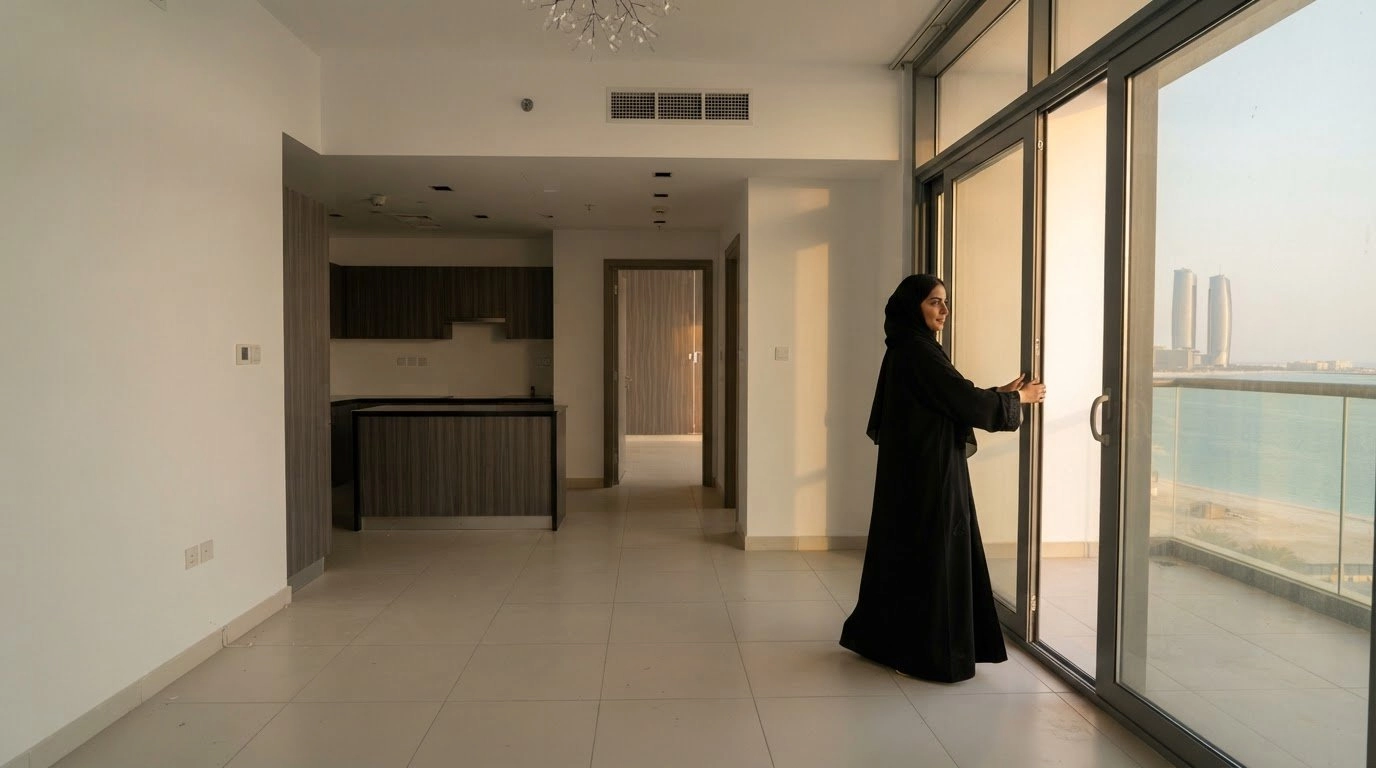
A one-bedroom apartment for sale in Dubai can offer a practical home and a focused entry into the property market. Buyers comparing apartments can weigh location, layout, and intended use before narrowing their options. The right fit depends on how you plan to live in or hold the property, with guidance from Oia Properties.
A one-bedroom apartment may suit a first-time buyer, a single resident or an investor considering a residential property. Bedroom count is only one part of the decision: building facilities, ownership arrangements and whether the apartment is completed or under development matter too.
This guide explores the considerations behind buying a one-bedroom apartment for sale in Dubai, including ownership, residence planning, sizes, amenities and market choices. Use these points to compare opportunities against your priorities and identify the questions to resolve before making a purchase.
Key Takeaways
• Compare Dubai homes by location, layout, facilities and completion stage, not bedroom count alone.
• Understand how ownership arrangements apply to your chosen Dubai property before proceeding.
• Assess a home’s investment potential by weighing rental prospects against purchase and ongoing ownership costs.
• Review floor area and included amenities carefully, since one-bedroom layouts can vary between buildings.
Table of Contents
1. Why Buy a 1 Bedroom Apartment in Dubai?
2. Foreign ownership and residence requirements
3. What are the benefits of buying property in Dubai?
4. Dubai apartment sizes and included amenities
5. Dubai one-bedroom apartment market overview
6. Oia Properties: Apartments for Sale
Why Buy a 1 Bedroom Apartment in Dubai?
In Dubai, a one-bedroom apartment can offer a dedicated bedroom and separate living area. Options include locations such as Dubai Marina, Downtown Dubai, and Jumeirah Village Circle. Compare each community with your priorities, from daily routines and intended use to the surroundings you prefer.
Available examples show how layouts differ. One listing may offer a balcony, another a waterfront outlook, and floor areas can differ noticeably between buildings. These individual examples illustrate variation, not a citywide size range or price benchmark.
Use listing details to compare properties consistently. Review the internal area, balcony, bedroom arrangement, and living space, then consider how the layout fits your needs. A balcony or waterfront setting may matter to one buyer, while another may prioritise room proportions or practical use of the living area.
Building condition and amenities can also influence an apartment’s appeal and asking price. Consider the condition of the property, the upkeep of shared areas, and the facilities included. Compare these details with the floor plan and location. Assess the whole property rather than judging it by one feature alone.
Start by identifying preferred Dubai locations and the layout and property type that suit your plans. Compare listings, then review the apartment specifications and sale documents. After selecting a property and agreeing on the purchase, complete the transfer and registration steps required for that transaction.
For an investment purchase, distinguish a completed apartment from one under development. Review the project’s stated stage, payment schedule, and handover terms, then compare them with your intended ownership timeline. If you plan to live in the home, focus on the layout, access, and facilities that will shape everyday life.
A considered shortlist makes comparisons more useful. Note the location, floor plan, condition, included amenities, and completion status of each Dubai option. This gives you a clear basis for assessing individual homes without treating one listing as representative of the whole market.
Foreign ownership and residence requirements
For foreign buyers, start with the property’s location. Dubai permits foreign ownership in approved freehold zones. A community name alone does not establish that a particular apartment qualifies, so confirm that the property is within an approved zone before proceeding. This matters whether you plan to live there, resell later, or seek rental income.
Ownership and residence planning are related, but they aren’t the same decision. A purchase doesn’t automatically settle your visa arrangements. According to the UAE Government, real estate valued at AED 2 million or more may support a UAE Golden Visa application, subject to current regulations, documentation, and government approval. Treat the property threshold as one consideration, then review the visa criteria and your own plans.
Budget for transaction costs as well as the agreed purchase amount. The Dubai Land Department (DLD) transfer fee is 4% of the sale value. DLD’s published schedule lists this as 2% for the buyer and 2% for the seller, although sale agreements often assign the full 4% to the buyer, so confirm who pays in your contract. A service partner fee of AED 4,000 + VAT applies to sales of AED 500,000 or more (AED 2,000 + VAT below that), along with smaller DLD charges. If you use a mortgage, the DLD mortgage registration fee is 0.25% of the mortgage value. Include these items in your purchase calculations rather than treating the advertised asking price as the full acquisition cost.
Mortgage options depend on lender criteria and the buyer’s financial profile. Compare the required deposit, repayment terms, and total borrowing cost before choosing a property. For off-plan projects, developers commonly offer payment plans with down payments of around 10-20%. That describes a common project payment structure, not a universal mortgage deposit requirement.
Also examine recurring ownership costs. Service charges affect the ongoing cost of holding a Dubai residence, and the amount depends on the building and its shared facilities. Ask for the applicable charge schedule and identify what it covers, such as maintenance of common areas. A waterfront living address or a Jumeirah Village residence may have different building arrangements, so compare the actual property documents.
For a ready apartment, review the title deed and ensure the purchase is officially registered with the Dubai Land Department. DLD lists an expected completion time of about 20 minutes for the sale registration service itself, but the wider process, including obtaining the developer’s NOC and any mortgage steps, can take longer. For an off-plan purchase, read the sale agreement for the payment schedule, construction milestones and stated handover terms. Delays can affect when you can move in or begin earning rental yields.
Use a clear sequence: confirm the freehold location, calculate transaction and ongoing costs, arrange your payment or mortgage route, review the title or project documents, then complete registration. Buyers comparing off-plan projects can explore off-plan property investment options as part of that decision.
What are the benefits of buying property in Dubai?
A Dubai property may serve as a home, a rental asset, or a longer-term investment. Its suitability depends on location, purchase strategy, and ongoing ownership decisions.
Rental Yields and Investment Potential
Rental income is one way buyers assess an apartment’s investment potential. Dubai’s average rental return for a one-bedroom apartment is around 6.08%, while some neighbourhoods reach 8.1%. These are market indicators, not a promise of what an individual property will earn.
Estimates differ by district. Gross rental yields in emerging communities such as Arjan and Dubai South are around 7-9%; prime areas such as Downtown Dubai and Dubai Marina are roughly 4-5%. A higher gross yield doesn’t by itself establish stronger performance. Consider the apartment’s asking price, likely rent, service charges, vacancy periods, and condition together.
Location shapes rental demand and the type of tenant a home may attract. A Marina apartment offers a different setting from a home in an emerging district. Compare transport, access to employment, amenities, and competing residences nearby. For off-plan property, weigh the construction schedule and handover timing against your planned investment period.
Buying can also suit someone seeking a Dubai home rather than rental income. Decide whether your priority is living in the property, renting it, or retaining flexibility to sell later. That choice helps determine which community, building, and layout merit closer attention.
Investment and Resale Considerations
Resale potential depends on more than the original purchase price. Assess the building’s condition, apartment layout, community appeal, and comparable homes in the same district. In Dubai Marina, waterfront living may attract a different buyer profile from an apartment in Arjan. Compare like-for-like properties before deciding whether an opportunity is competitive.
For an off-plan purchase, review the project’s construction stage, payment schedule, and stated handover terms. The time until completion affects when you can occupy, rent, or resell the property. A completed apartment has a different ownership timeline, so match project status with your intended use and holding period.
According to the UAE Government, real estate valued at AED 2 million or more may support a UAE Golden Visa application, subject to current regulations, documentation, and government approval. Treat this threshold as one factor in investment planning, not as a guarantee of visa approval. The property’s suitability, your ownership documentation, and the applicable requirements all matter.
Work through the decision in sequence: define your intended use, compare district-level rental indicators, assess building and construction details, then consider resale appeal. This keeps income expectations, ownership plans, and future marketability in view together.
Dubai apartment sizes and included amenities.
One-bedroom homes differ in usable area, layout, furnishing, and shared facilities. Compare each property's floor plan and inclusions before deciding.
Apartment Sizes and Layouts
Size is only one measure of how a home functions. Most off-plan one-bedroom apartments in Dubai measure about 600-900 square feet. A listed apartment at Park Lane Building 1A measures 658 square feet, while one at DAMAC Casa measures 945 square feet. These examples show why buyers should compare plans, not just headline area.
Check how the entrance, kitchen, living area, and bedroom connect. A thoughtful layout can make movement easier and separate sleeping from living space. Review the floor plan for storage, window placement, and balcony access, if included. A larger home may still be less practical if it has little usable wall or storage space.
Building scale also affects day-to-day convenience. Parking allocation can differ by building and apartment size, so a one-bedroom buyer should not assume the arrangements advertised for larger residences apply. Compare parking allocation and the apartment’s own floor plan in the sale documents.
For a fair comparison, use the same checklist across locations: internal area, balcony area, room proportions, storage and circulation. Where possible, compare the floor plan with the actual apartment. This helps you judge whether the advertised area suits your living arrangements, rather than relying on a floor-plan image alone.
Furnishing Options and Included Amenities
Furnishing can affect how quickly you can use a home, but inclusions vary by property. Read the listing and sale documents for furniture, appliances, and fitted items. Distinguish items included in the purchase from staging used in photographs. For an off-plan apartment, review the specifications and handover details to understand what the finished home includes.
Assess amenities at both apartment and building level. Features inside the apartment affect daily use, while shared facilities shape the wider residential experience. Compare each building’s stated facilities with your routine. A pool or gym may add appeal, but access, upkeep and service charges also matter to ongoing ownership.
Make a room-by-room inventory before committing. Note kitchen appliances, wardrobes, lighting, window coverings and any listed furniture. Record which items appear in the contract or included-items schedule. This helps distinguish a furnished presentation from what is actually included in the purchase.
Match the amenities to your intended use. Buyers seeking a ready home may value included furnishings differently from those planning to furnish independently. For freehold residences, review the property documents and registration details alongside the floor plan. Comparing size, furnishing, and amenities helps identify the apartment that fits your priorities.
Dubai one-bedroom apartment market overview
Dubai’s one-bedroom market combines a large resale supply with continuing development. More than 35,000 one-bedroom properties are listed across the city, so buyers can compare established towers, waterfront homes, and new projects. The key is to narrow the search by community, property condition, and intended use, rather than treating Dubai as one uniform market.
Location creates distinct choices. Downtown Dubai and Palm Jumeirah represent premium settings, while Jumeirah Village Circle offers a large selection, with more than 5,000 properties listed there. Those figures show the breadth of supply, not how many listings match a particular budget, layout, or ownership plan. Compare buildings within the same community to make the search more precise.
Market activity also provides context. Dubai real estate transaction volumes rose 36% in 2024, according to the Dubai Land Department. That citywide change is not a forecast for an individual apartment or a guarantee of resale performance. Use it as background, then examine the specific development, the condition of comparable homes, and the features that distinguish one listing from another.
Off-plan choices add another timeline to the market. Current one-bedroom projects are mostly scheduled for handover between 2026 and 2029. For example, 15 Cascade in Dubai Motor City has a project deadline of Q3 2028. Compare the stated handover timing with your plans for living, renting, or holding the property. Project stage can affect when the home becomes available for use.
Listings also differ in how they present value. A waterfront address, views, building facilities, and access to local services can influence buyer interest. Weigh these features against the apartment’s layout and condition. In Downtown Dubai, for example, one buyer may value the location more than extra internal space, while another may prioritise everyday convenience.
A practical search starts with three filters: preferred communities, completed or off-plan status, and essential apartment features. Then compare similar listings within each location. Check that asking details, development stage, and included amenities align, and note what distinguishes each option. This makes a broad selection easier to manage and highlights meaningful differences between buildings.
Dubai’s market is deep, but headline activity alone cannot identify the right property. Use listing volume and transaction trends as context, then judge each home on its own location, development, and suitability. Explore Dubai apartment listings to compare available opportunities against your priorities.
Oia Properties: Apartments for Sale
Oia Properties helps buyers compare apartments for sale in Dubai by location, layout, and ownership plans. Explore its listings when you’re ready to move from research to a focused shortlist, whether you’re considering a completed home or an off-plan opportunity.
Let your priorities guide the search: community, floor plan, building amenities, and intended use. If an apartment does not suit your needs, Oia Properties also offers villas and townhouses for sale as alternative residential property types.
For a focused next step, contact Oia Properties to discuss the home you’re seeking, or visit oiaproperties.com.
Make Your Next Move with Clarity
Before choosing among 1-bedroom apartments for sale in Dubai, define what success should look like after the keys are yours. Is the next chapter centred on a home that supports your routine, an asset you may rent, or a property you could eventually sell? Let that purpose guide the final choice.
Turn your shortlist into a decision tool. Record your essential requirements, acceptable trade-offs, and deal-breakers, then compare every candidate against the same criteria. This helps keep an impressive view or lobby from distracting you from the practical details that matter to your plans.
A considered decision is not about finding a property that does everything. It is about choosing one whose strengths match your priorities and whose compromises you understand. Oia Properties offers apartments, villas, and townhouses for sale, giving you options as your search takes shape.
Contact Oia Properties about Dubai apartments and take your next step with confidence.
Frequently Asked Questions
How much does real estate in Dubai cost?
Dubai property costs vary by location, building, condition, and whether a home is completed or off-plan. A waterfront apartment and a home in an emerging community may occupy very different market segments. Compare similar properties in the same area, then account for transaction charges and ongoing service costs. This gives you a more useful budget than relying on a citywide figure alone.
What taxes need to be paid when purchasing or owning property in Dubai?
For a Dubai purchase, account for the Dubai Land Department transfer fee separately from recurring ownership expenses. Building service charges are ongoing costs associated with the property and its shared facilities. Mortgage-related and administration fees may also apply. Review the sale documents and building charge schedule to understand which amounts are due at transfer and which continue during ownership.
Why buy a 1 BHK for sale in Dubai?
A one-bedroom apartment can provide a separate bedroom and living area in a more compact home than a larger property. This layout may suit a single resident, a couple, or someone seeking a city base. Dubai offers a range of settings, from residential communities to central towers. Compare location, layout, and building facilities with how you plan to use the apartment.
Why should one invest in a 1BHK in Dubai?
A one-bedroom apartment can give investors a smaller residential asset to assess and manage than a larger home. Its investment case depends on location, building expenses, rental prospects, and potential resale appeal. Weigh those factors together rather than treating gross rent as the whole return. A completed apartment and an off-plan development also involve different timelines for occupancy and income.
What is the average price of a 1-bedroom apartment for sale in Dubai?
A citywide average is only a broad benchmark, not a reliable estimate for every apartment. Asking prices differ by community, building, condition, floor plan, view, and completion status. Compare listings in the same area and building where possible, then assess service charges and other ownership expenses. This helps you understand a home’s position in its local market instead of relying on a citywide comparison.
Which Dubai areas have 1-bedroom apartments for sale, and how do prices compare?
One-bedroom listings are available in areas including Dubai Marina, Downtown Dubai, Jumeirah Village Circle, Business Bay, Arjan, and Dubai South. Prices vary between communities and buildings, with central or waterfront settings occupying different market positions from emerging districts. Compare similar completed or off-plan homes within each location. A building’s condition, facilities, views, and access to everyday services can also affect its asking price.
What are the most popular areas for 1-bedroom apartments among buyers and investors?
No single area suits every buyer or investment plan. Dubai Marina and Downtown Dubai offer central or waterfront settings, while Jumeirah Village Circle, Arjan and Dubai South provide alternatives elsewhere in the city. Decide whether you prioritise convenient city living, a particular lifestyle, or rental potential, then compare apartment and building details within those communities.
What are the additional costs and fees when buying an apartment in Dubai?
Budget for more than the agreed property amount. Include registration, mortgage-related charges, property administration fees, and building service charges. These costs arise at different stages: some relate to completing the purchase, while service charges continue during ownership. For an off-plan home, review the payment schedule and contract terms alongside transfer costs. A full checklist helps distinguish one-time fees from recurring expenses.
