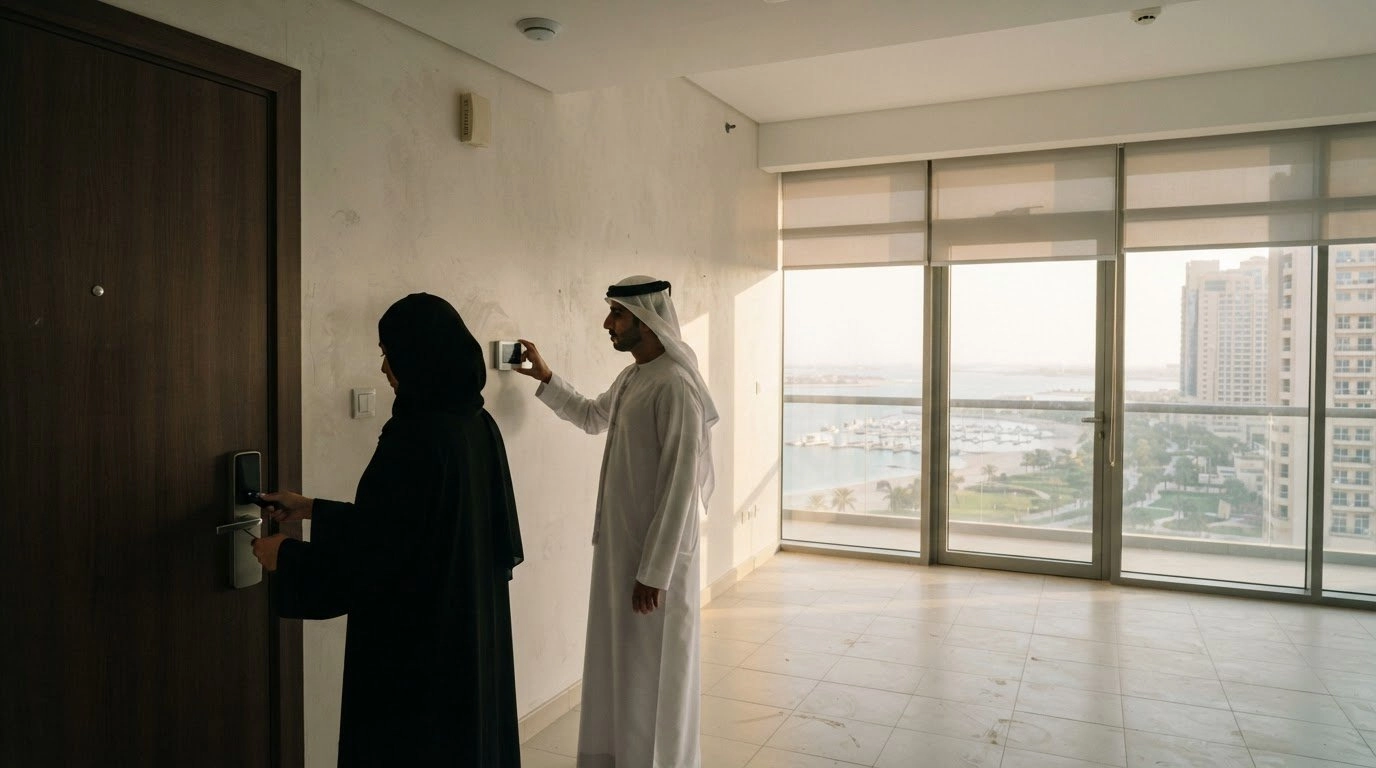
Property technology can sharpen a real estate decision, but it cannot make the decision for you. Understanding how technology is changing real estate in the UAE means considering how digital tools support property research, construction updates, and everyday living in Abu Dhabi.
AI can help buyers organize property information around their priorities. Smart-home systems can shape everyday comfort and energy use, while digital construction updates can give off-plan buyers more visibility into project progress. Each tool offers information to consider, not a substitute for assessing a property and its location.
For Abu Dhabi buyers and investors, the right decision still depends on the area, project details and market context. This article explains how technology can inform those choices and where human expertise remains essential.
AI-powered property valuations and investment analysis
For Abu Dhabi buyers, AI can help structure property research, but location and project details remain central. Analytics can organize information on property values, market trends and buyer preferences, helping investors compare options in areas such as Saadiyat Island, Al Reem Island and Yas Island. This is most useful when it clarifies a shortlist, rather than deciding which property fits an investment plan.
AI-powered valuation tools assess factors such as recent sales, neighborhood trends, and a property’s features. UAE AI-driven analytics improved property valuation accuracy by up to 15 percent in 2025. This market-wide measure does not determine an individual home’s value. For example, two apartments in the same Abu Dhabi area may differ in layout, outlook, or condition, details that influence how buyers assess each option.
Investment analytics can bring historical data, economic indicators, and buyer behavior into one view. An investor comparing a ready apartment with an off-plan project can use this analysis to organize questions about location, intended use, and project progress. Data provides structure, but interpreting how each factor relates to the investor’s priorities still requires judgment.
Virtual tours and 3D property viewing let buyers explore homes remotely and compare layouts before arranging an in-person visit. Digital furnishing can help visualize how an empty apartment might be used. For an Abu Dhabi property, these tools can help an overseas buyer narrow choices, while a physical viewing provides a different perspective on the home and its setting.
Which UAE real estate platforms use AI, blockchain or smart contracts? These tools serve different purposes: AI supports valuation and market analysis, blockchain records transactions, and smart contracts can automate agreed actions. Platform coverage varies by service and transaction. Buyers should identify the platform’s role in the specific Abu Dhabi property process, rather than assume one system handles every stage.
What are the risks of AI valuation and online property listings in the UAE? An estimate may rely on incomplete inputs, while a listing may not convey every detail of a home. Compare the model’s assumptions with the property’s features, available sale information, and project documents. A virtual presentation is useful for shortlisting, but cannot show every physical detail of an apartment or its surroundings.
Digital services can make property information easier to access, and smart infrastructure is being incorporated into off-plan and ready projects. For Abu Dhabi buyers, assess each project on its own terms: location, developer information, property specifications, and the role of any connected features. Technology can sharpen comparisons, but should remain one part of an informed property decision.
Are smart homes and tech features really in demand in Dubai?
For Abu Dhabi buyers, assess smart-home demand through practical use, not technology labels. The value depends on how a home’s systems fit residents’ routines and the property’s wider design.
Connected Home and Building Features
A connected home links household controls with digital systems, allowing residents to adjust settings through an interface. In an Abu Dhabi apartment, the key question is whether those controls simplify daily routines and work together reliably. Consider how residents would use the system for ordinary tasks, rather than treating the number of connected features as a measure of quality.
Building-level systems also shape the experience. A resident-facing application might bring property services and household information together. For buyers, the distinction is between a feature that meets a clear need and one that adds another interface without improving daily life. This helps put technology in context alongside layout, location, and intended use.
Smart Features and Rental Premiums
Smart features can contribute to a rental property’s appeal, but they are only one part of a tenant’s decision. In Abu Dhabi, owners can consider whether a system makes a home easier to use, supports energy-conscious routines, or adds practical convenience. Its relevance depends on the property and the needs of its intended residents.
For example, an investor assessing an apartment should consider the tenant experience, not simply the presence of connected equipment. Ease of use, integration with the home, and the property’s overall condition all affect whether a feature is worthwhile. Location and suitability remain central to rental positioning; technology cannot compensate for a mismatch with tenants’ priorities.
Smart-City and Sustainability Initiatives
UAE Vision 2031 sets a national context for development priorities, while Estidama is among the sustainability certifications used for environmentally focused smart buildings in the UAE. For Abu Dhabi property buyers, these names help frame how sustainability and technology can intersect in building design.
Assess a project’s specific measures rather than assuming a broad initiative guarantees a particular home feature. Energy-management systems and water-conscious landscaping, for example, address different needs. Their practical relevance depends on how they work within the building or community and whether they support residents’ priorities.
For an Abu Dhabi home, the strongest assessment connects technology with everyday use, building design and location. Ask what each system enables, how residents interact with it, and whether it serves a clear purpose. This keeps smart-home integration in perspective as one part of a wider property decision.
Digital construction monitoring for off-plan projects
For Abu Dhabi buyers considering an off-plan property, digital monitoring can make project updates easier to review over time. A useful update links information to the specific development and explains what has progressed, what remains underway, and what milestone comes next. This helps buyers follow the project without treating a single image or status label as a complete account.
For example, someone considering a home in Gardenia Bay on Yas Island can keep its project information distinct from research on a ready apartment elsewhere. A clear digital record might include dated site images, milestone descriptions, and notes about changes. These are examples of information that can support monitoring, not claims about a particular project’s reporting system.
Construction monitoring is most useful as a sequence. Buyers can compare updates over time, note whether stated milestones have changed, and keep related project documents together. When an update uses technical terms, a plain-language explanation helps connect the reported work with the buyer’s understanding of progress. A record with dates and context is more useful than an isolated progress message.
Digital paperwork can make document exchange and transaction administration more convenient. For Abu Dhabi buyers, organizing project correspondence, signed documents, and progress information can create a clearer record of decisions. Digital access does not remove the need to understand what a document says, who issued it, or which property and transaction it concerns.
How do UAE proptech tools compare with traditional real estate agencies in fees and speed? Digital tools can speed up routine document sharing and progress updates, while agency support can add coordination and property-specific interpretation. Fees depend on the service scope and agreement, not on whether a task happens online or through a traditional channel.
How can buyers and landlords use UAE digital real estate services safely? Use the intended service channel, protect account credentials, and ensure documents identify the correct parties, property, and transaction. Keep copies of agreements and dated project updates organized. For an off-plan purchase, compare successive progress reports and tie questions to the relevant milestone or document.
Digital innovation also includes virtual property, which is separate from physical homes. A buyer assessing an Abu Dhabi residence should distinguish the project’s digital records from any virtual asset or representation. They refer to different things. Keeping that distinction clear helps prevent a digital interface from being mistaken for evidence about a physical property or its construction status.
Off-plan projects using digital construction monitoring tools experienced 20 percent fewer delivery delays than traditionally managed developments. In Dubai, buyers can use AI-powered monitoring, digital escrow tracking, and real-time developer updates.
Dubai Land Department blockchain initiatives
Dubai Land Department’s blockchain work applies to Dubai, so it should not be treated as an Abu Dhabi transaction process. For Abu Dhabi buyers, the key distinction is jurisdiction: a digital property record or tokenization initiative in one emirate does not establish how a transaction is recorded in another.
Dubai Land Department’s Real Estate Tokenization pilot uses blockchain-based tokens to enable fractional property ownership, according to the Dubai Land Department. This offers a useful example of how blockchain can represent an interest in a property digitally. It is not, by itself, evidence that the same tokenization model applies to an Abu Dhabi property or that every digital token represents identical ownership rights.
Blockchain records can make information traceable within the system that stores it. But a ledger entry and the legal documents governing a property interest are distinct parts of a transaction. An Abu Dhabi buyer considering a digital investment should understand what the asset represents, which entity records the interest, and which documents define the rights and obligations involved.
Tokenization is also different from buying an entire apartment, villa, or townhouse. A fractional interest may not give an investor the same decision-making role or use of a property as direct ownership. Review the asset represented, how ownership is recorded, and how the governing agreement explains transfers or distributions. A digital interface alone does not answer these questions.
Artificial intelligence and blockchain serve different functions. AI can organize or analyze information; blockchain records transactions or ownership data within a system. Neither replaces the need to understand a property’s location, project documents, and transaction terms. For an Abu Dhabi investment, keep these fundamentals central and treat technology as a way to handle information, not proof of a particular outcome.
Dubai Land Department’s tokenization pilot illustrates innovation across the wider UAE property sector, but emirate-specific processes should remain distinct. Buyers assessing Abu Dhabi property can take a disciplined approach: identify the asset, understand the ownership structure, read the relevant transaction documents, and establish which process applies. This keeps digital concepts in perspective without assuming a Dubai initiative governs an Abu Dhabi purchase.
More than 30 percent of property transactions involved blockchain-supported verification systems, according to Dubai Land Department data released in early 2025.
Human expertise alongside real estate technology
Digital tools can sort property information quickly, but decisions in Abu Dhabi still depend on context. Automated lead scoring can rank prospective buyers by purchase intent, helping agents prioritize enquiries. A high score is a signal, not a complete picture of someone’s plans, timing or lifestyle preferences. An adviser can clarify those priorities before matching a buyer with suitable homes in areas such as Saadiyat Island, Al Reem Island or Yas Island.
AI analytics can compare property values, market trends and buyer preferences. Human judgment helps interpret what those patterns mean for a specific home. For example, two apartments on Al Reem Island may have similar recorded features but differ in outlook, condition, or access to nearby facilities. A model can organize comparisons; a property professional can help identify which differences matter for the buyer’s intended use and investment objectives.
That distinction matters when interpreting automated valuations. Recent sales and neighborhood data can inform an estimate, but a property’s condition and individual features also shape its appeal. A useful review separates measurable inputs from qualitative considerations: location, layout, building upkeep, access to facilities, and intended holding period. For an Abu Dhabi buyer, understanding how technology is changing real estate in the UAE means treating an estimate as one input, not a final decision.
Technology can streamline viewings. A virtual tour may help an overseas buyer shortlist homes in Abu Dhabi before travelling, while an in-person visit can reveal details a screen cannot convey. The same balance applies to smart-home features. Automated lighting or climate controls may suit one resident’s routine, while another may prefer simpler controls to connected systems.
For off-plan property, construction updates and digital records can make project information easier to follow. An adviser can put these updates in context by considering stated milestones, project documents and the buyer’s objectives together. For a ready property, the human contribution is connecting listing details with the home’s actual condition and intended use, whether for personal living or investment.
The strongest approach pairs digital efficiency with informed scrutiny. Use analytics to narrow choices, virtual tools to make early comparisons, and professional judgment to assess Abu Dhabi locations, project details, and personal priorities. The practical value of how technology is changing real estate in the UAE lies in enabling better-informed conversations, not replacing them. Technology can speed up access to information; local expertise helps interpret it for a real decision.
For a considered view of your holdings, review your real estate portfolio alongside your property objectives.
Oia Properties: Real Estate Portfolio Management
Oia Properties helps buyers and investors connect digital property insights with practical decisions through Real Estate Portfolio Management. Turn to this service when assessing how individual holdings fit your wider property objectives or weighing a new purchase against your existing portfolio.
Technology can make comparisons faster, but choosing between an apartment, villa, or townhouse still depends on location, project details, and intended use. Oia Properties offers apartments, villas and townhouses for sale in the UAE. Consider these options alongside your priorities, whether you are seeking a home or evaluating a property investment.
Bring your property goals into focus, then contact Oia Properties to discuss your next step.
Make your next property decision with clarity
The next advantage in the UAE property market comes from matching information to your priorities. Before acting, define what matters most: intended use, preferred location, property type, and investment horizon. This gives digital tools and professional insight a clear purpose, instead of letting a stream of data set the agenda.
Understanding how technology is changing real estate in the UAE can help you ask sharper questions and assess opportunities with greater discipline. Use technology to organize your options, then clarify your objectives before committing. A considered decision draws on both useful information and the context behind it.
Oia Properties offers apartments, villas, and townhouses for sale. If you’re ready to discuss your property objectives and explore a suitable next step, contact Oia Properties to discuss available properties.
Frequently Asked Questions
Will technology replace the need for human agents?
No. Technology can organize listings and speed up routine tasks, but agents provide context for decisions shaped by a buyer’s priorities. For example, someone shifting from an investment purchase to a home for personal use may need to reconsider location, layout, and everyday convenience. An agent can help clarify those trade-offs and coordinate next steps while digital tools support the process.
How is AI being used in UAE real estate?
AI helps real estate professionals analyze property data, support valuations, and tailor information to buyer preferences. Buyers can use an estimate as a starting point, then ask which comparable sales and property features shaped it. This makes the reasoning behind a valuation easier to discuss. AI tools also support customer enquiries and listing content, while professionals remain responsible for applying local context.
How are smart homes and IoT affecting property values and rents in the UAE?
Smart systems can influence a property’s appeal by supporting convenience, security and energy management, but they do not determine its value or rent on their own. For example, sensors that help identify maintenance needs can inform property upkeep. Buyers and landlords should consider whether residents can use the features easily and whether the building’s location, condition and layout suit its intended market.
What are Dubai and Abu Dhabi rules for digital property transactions and e-signatures?
Digital transaction processes vary by emirate and transaction type. Dubai has digitized property transactions, registrations and compliance processes; that does not establish an identical workflow for Abu Dhabi. In either emirate, use the relevant official transaction channel and ensure digital documents accurately record the parties, property and agreed terms. An online process alone does not explain every requirement that may apply to a specific transaction.
How is blockchain tokenization changing property investment in Dubai?
Tokenization creates a digital route to fractional property ownership, rather than requiring an investor to purchase an entire property. Dubai Land Department’s Real Estate Tokenization pilot uses blockchain-based tokens to enable fractional ownership, according to the Dubai Land Department. Before investing, distinguish the token from the physical asset and understand what ownership interest the transaction represents. The token’s digital form alone does not explain the rights attached to it.
Which UAE real estate platforms use AI, blockchain, or smart contracts?
The Dubai Land Department is leading blockchain initiatives for property titles, rental contracts, and transaction processes. AI supports valuations and market analysis, while smart contracts can automate agreed actions. The tools available depend on the platform and transaction.
.svg)




_1757509729_e4697848.webp)
 English
 العربية